Buyer Checklist: Evaluating an Education Technology Partner with Learners in Mind
Start with the learner, not the feature
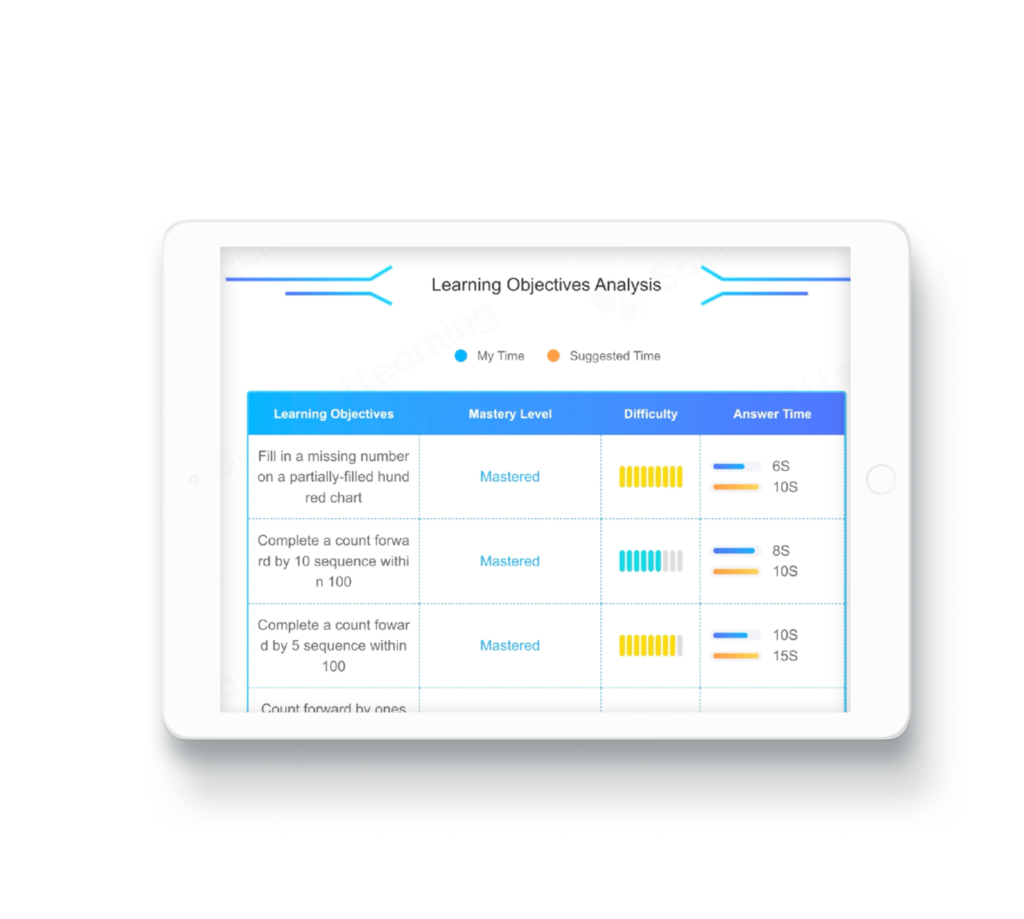
You want tools that respond to what a student actually knows and needs. When vendors use the word personalization, ask for a clear account of how an adaptive learning system measures gaps, adjusts instruction, and surfaces next steps; a short explainer like what is adaptive learning system can anchor that conversation. Keep questions grounded in classroom practice rather than in buzzwords.
Clarify the learning outcomes that matter
Name the skills and standards you expect the platform to support. Does it map to grade-level standards, discrete competencies, or project skills? Ask for sample learning paths and how the vendor validates alignment. Exact match to your curriculum matters more than a long feature list.
Look for transparent assessment and adaptation
Good adaptive systems make their logic visible. Request examples of how the system diagnoses a student, decides what comes next, and reports confidence in its decisions. Expect descriptions of item pools, diagnostic checks, and whether adaptations are rule-based, mastery-driven, or model-driven. Avoid opaque statements about “AI” without a clear mechanism.
Check teacher workflows and classroom fit
Teachers must be able to act on what the system shows. Ask to see teacher dashboards and a typical daily use case. How much prep is required? Can teachers assign, override, or bundle lessons? The best integrations support both individual practice and whole-class instruction.
Demand data clarity and responsible privacy practices
Identify exactly what learner data is collected, how long it’s retained, and who can access it. Verify compatibility with your LMS through standard integrations (for example, LTI or common data export formats) and confirm support for single sign‑on. Require clear contractual commitments on data use and deletion.
Plan realistic implementation and support
Implementation matters more than launch-day marketing. Ask for a timeline that includes teacher training, pilot evaluation, and measures for fidelity of use. Confirm what ongoing support looks like: frequency of updates, account management, and troubleshooting pathways. Expect modest, staged goals rather than overnight transformation.
Watch for common pitfalls
Beware of three recurring issues: 1) Feature overclaiming—features described without examples of classroom impact; 2) Misaligned content—strong technology that doesn’t match your standards or pacing; 3) Underestimated staffing—insufficient teacher time for training and interpretation. These problems show up early if you ask for concrete artifacts and a pilot plan.
Consider reasonable alternatives
Adaptive platforms are one path. Alternatives include structured blended-learning curriculums, targeted teacher-led intervention programs, and human tutoring models. Compare them on fit for your learners, required staffing, and how quickly you need measurable progress.
Decide with evidence and a calm horizon
Set short evaluation milestones: pilot duration, student engagement measures, and teacher feedback loops. Choose vendors who answer direct operational questions, not just marketing ones. The right partner explains assessment, adaptation, and classroom use in clear terms—qualities you can observe and measure when you look closely, and that providers such as Squirrel Ai describe as central to their approach.